Modern Aso Oke vs Traditional Aso Oke: What's the Difference?
17 October 2026 · 5 min read
Aso oke has been woven in south-western Nigeria for centuries, and the cloth you can buy today is not one single thing. Traditional aso oke and modern aso oke come off similar looms, but the materials, the colours and the way people wear them have moved with the times. Understanding the difference helps you choose the right cloth — whether you are dressing for a Yoruba ceremony or looking for a contemporary piece you can wear anywhere.
What traditional aso oke is
Traditional aso oke is a hand-loomed strip cloth, woven by men on narrow looms into strips roughly four inches wide, which are then joined by hand into a full cloth. Local cotton, home-grown silk and natural dyes — especially indigo — were the raw materials, and the work was slow by design.
Classical aso oke is known by its three historic types. Etu is a dark indigo-blue weave, historically worn for its dignity and restraint. Sanyan is a pale, brownish cloth spun from local silk. Alaari carries shredded silk and rich patterns and was the cloth of prestige for important occasions. Each type signalled status, and the cloth was largely reserved for ceremonies, weddings, chieftaincy events and festivals.
What modern aso oke changes
Modern aso oke keeps the strip-weaving technique but updates everything around it. Machine-spun cotton and imported silk supplement the local fibres, and synthetic metallic threads — most famously lurex — are woven in for shimmer. Commercial dyes open a far wider palette: today's weavers produce deep greens, bright oranges, pinks and blues alongside the traditional indigo.
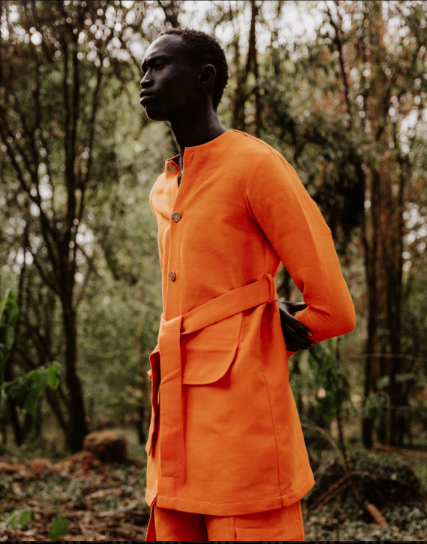
Weaving has also adapted to contemporary life. Looser, lighter weaves suit fitted coats, trousers and skirts rather than the flowing agbada and buba of ceremony dress, and production is faster, so aso oke is no longer worn only at weddings and funerals. Birthday parties, naming ceremonies and everyday occasions all call for it now, and the demand has pulled new, younger weavers into the craft.
The differences at a glance
- Materials: traditional aso oke uses locally grown cotton, local silk and natural indigo; modern aso oke blends machine-spun cotton, imported silk and synthetic threads such as lurex.
- Colour: the traditional palette centres on indigo, brown and earth tones; the modern palette is far wider and brighter.
- Weight and drape: traditional cloth is heavier and structured, made for voluminous ceremonial dressing; modern weaves are often lighter and cut for tailored silhouettes.
- Occasion: traditional aso oke belongs to ceremonies and status dress; modern aso oke is worn to parties, to the office and on the street.
- Technique: unchanged — both are strip-woven by hand on narrow looms. The craft is the constant; the materials and styling move.
Which should you choose?
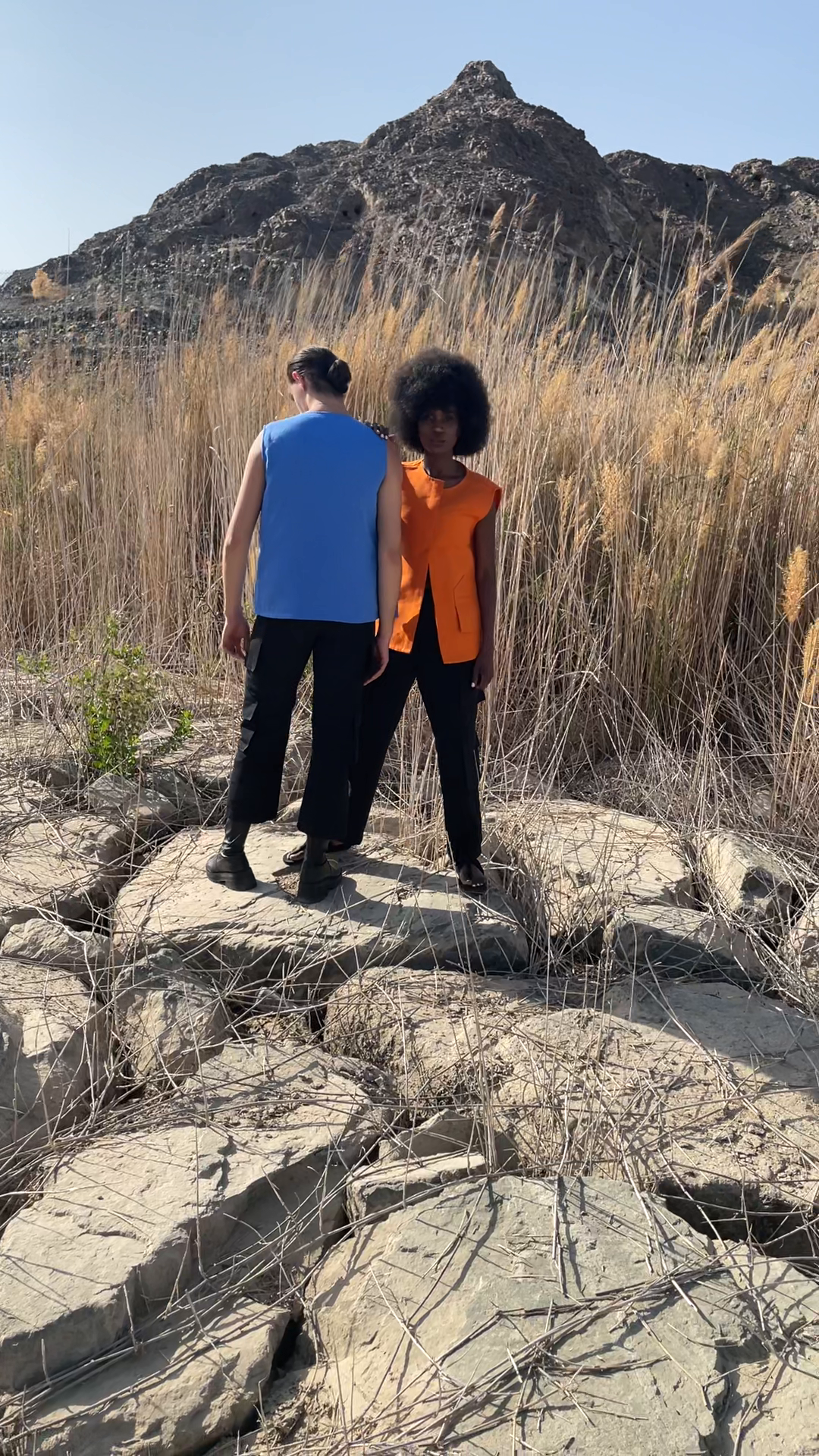
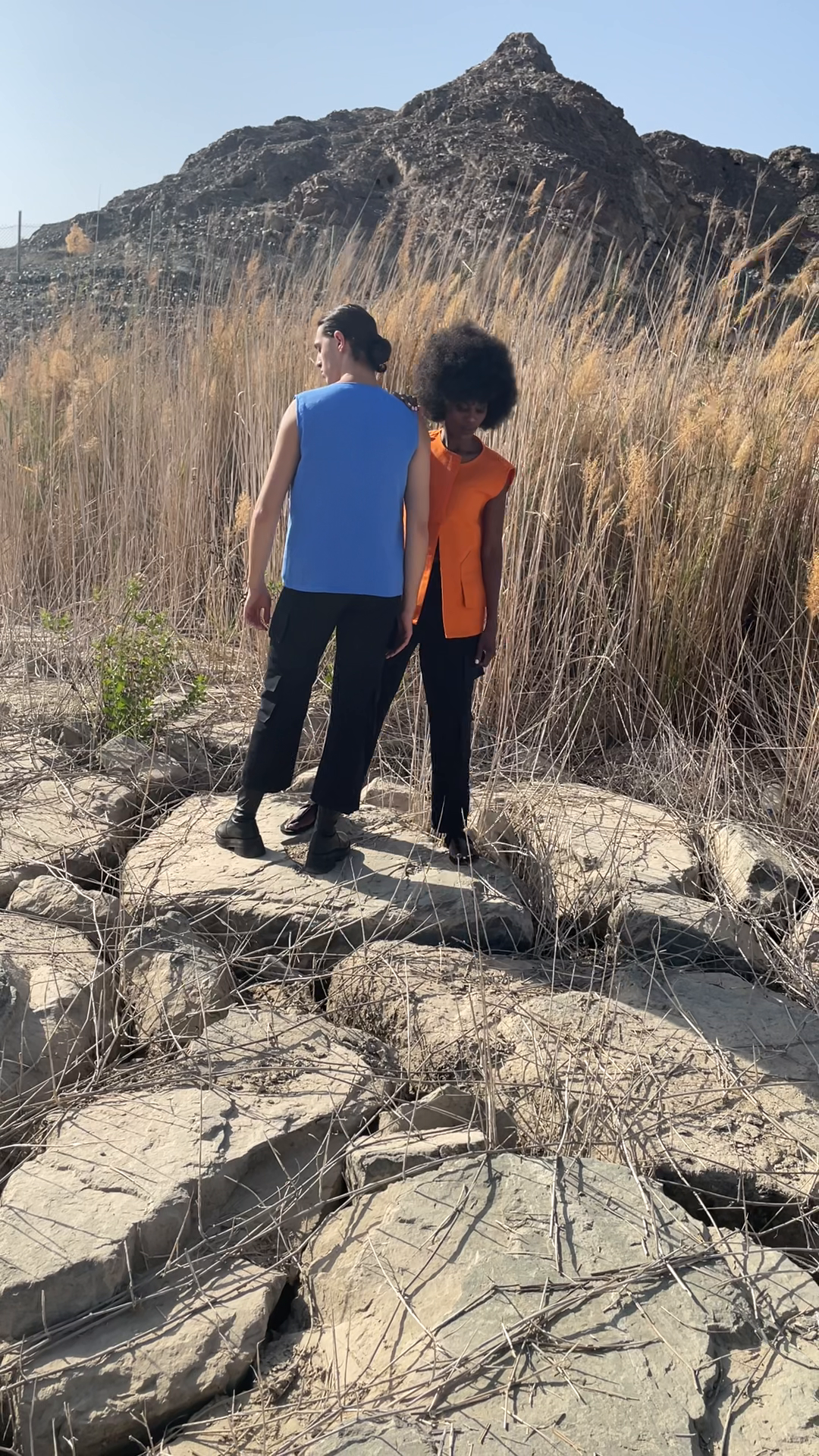
Choose traditional-style cloth when the occasion calls for weight and heritage: a ceremony, a cultural celebration, a piece meant to be worn as your ancestors wore it. Choose modern aso oke when you want the character of the handwoven textile in a silhouette you can actually live in — a belted long coat, straight-cut trousers, an armless jacket.
At WEMADEK, we work in the modern tradition: every garment is cut from handwoven aso oke strips, joined and tailored by hand, but finished in contemporary cuts and colours. Our collection — the Maduenu Long Coat, the Deallah Pant Trousers, the Baraka Armless Jacket, the Upendo Short Sleeves Coat and the Thendeka Tassell Skirt — is woven in black, orange, blue and pink, plus our Koso drop in its own colourways.
How to recognise genuine handwoven aso oke
Whichever era of cloth you buy, look for the strip joins — faint lines running across the fabric every few inches where narrow strips were hand-joined. Machine-printed imitations repeat a pattern instead of carrying real joins. Genuine handwoven cotton also has slight irregularity in the weave, so light moves along the surface rather than sitting flat. Every WEMADEK garment ships with a certificate of make for exactly this reason: the cloth is real, the joins are real, and the story behind the garment is real.