How Does Aso Oke Communicate Yoruba Identity and Heritage?
17 October 2026 · 5 min read
Aso Oke is more than a beautiful fabric. Within Yoruba culture, it can express belonging, mark important occasions and carry the knowledge of the people who weave and wear it. Its meaning comes not only from colour and texture, but also from the relationships, ceremonies and histories surrounding the cloth.
At WEMADEK, contemporary clothing offers a way to bring handwoven Aso Oke into a present-day wardrobe while keeping its cultural origins in view. Understanding that heritage makes the experience of wearing it richer.
A woven expression of Yoruba belonging
Aso Oke is closely associated with Yoruba communities in southwestern Nigeria and neighbouring parts of West Africa. Traditionally woven in narrow strips that are joined to create larger cloths, it reflects a distinctive textile practice rather than a single pattern or colour.
Recognising the weave, its texture and the way it is worn can create a sense of cultural familiarity. For Yoruba people at home or in the diaspora, wearing Aso Oke may be a personal expression of connection to family and place. That meaning is not identical for everyone: identity depends on the wearer, the occasion and the story behind the garment.
Ceremony, family and shared identity
Aso Oke has an important place at Yoruba weddings, chieftaincy celebrations and other significant gatherings. It can appear in garments and accessories such as the agbada, fila cap, iro wrapper and gele head tie. These forms connect the cloth to occasions when family and community are especially visible.
Through aso ebi—coordinated clothing worn by a family or group—fabric can signal solidarity and shared participation. Aso Oke is one textile used for this purpose, but aso ebi is not limited to it. Matching cloth communicates a relationship: these people belong together, and they have come to honour the same moment.
Traditional cloth types carry historical associations
Three well-known traditional Aso Oke types are Etu, associated with dark indigo tones and fine stripes; Sanyan, historically associated with silk and muted beige-to-brown tones; and Alaari, recognised for its rich red or reddish-purple appearance. Contemporary versions may use different yarns, so a familiar name does not by itself establish a cloth’s fibre composition.
These names connect textiles to a longer history of materials, taste and dress. Particular choices can reflect family preferences, an occasion or local custom. There is no universal colour dictionary, however: it would be misleading to assign one fixed Yoruba meaning to every colour or stripe.
Heritage lives in the making
The process of weaving is itself a form of cultural continuity. Preparing yarn, arranging the warp, controlling tension and building a pattern all require practical knowledge. Such skills can pass through family teaching, apprenticeships and wider weaving communities.
Heritage therefore lives not just in a finished garment, but in the maker’s decisions and labour. Asking how a fabric was woven, what yarns it contains and where it was made helps keep attention on the craft rather than treating Aso Oke as simply an African-inspired surface.
From inherited cloth to contemporary silhouettes
Cultural identity is not preserved only by repeating the past. Designers and wearers also reinterpret textiles through new shapes, combinations and settings. A jacket or pair of trousers can give Aso Oke a different everyday presence without erasing the tradition behind it.
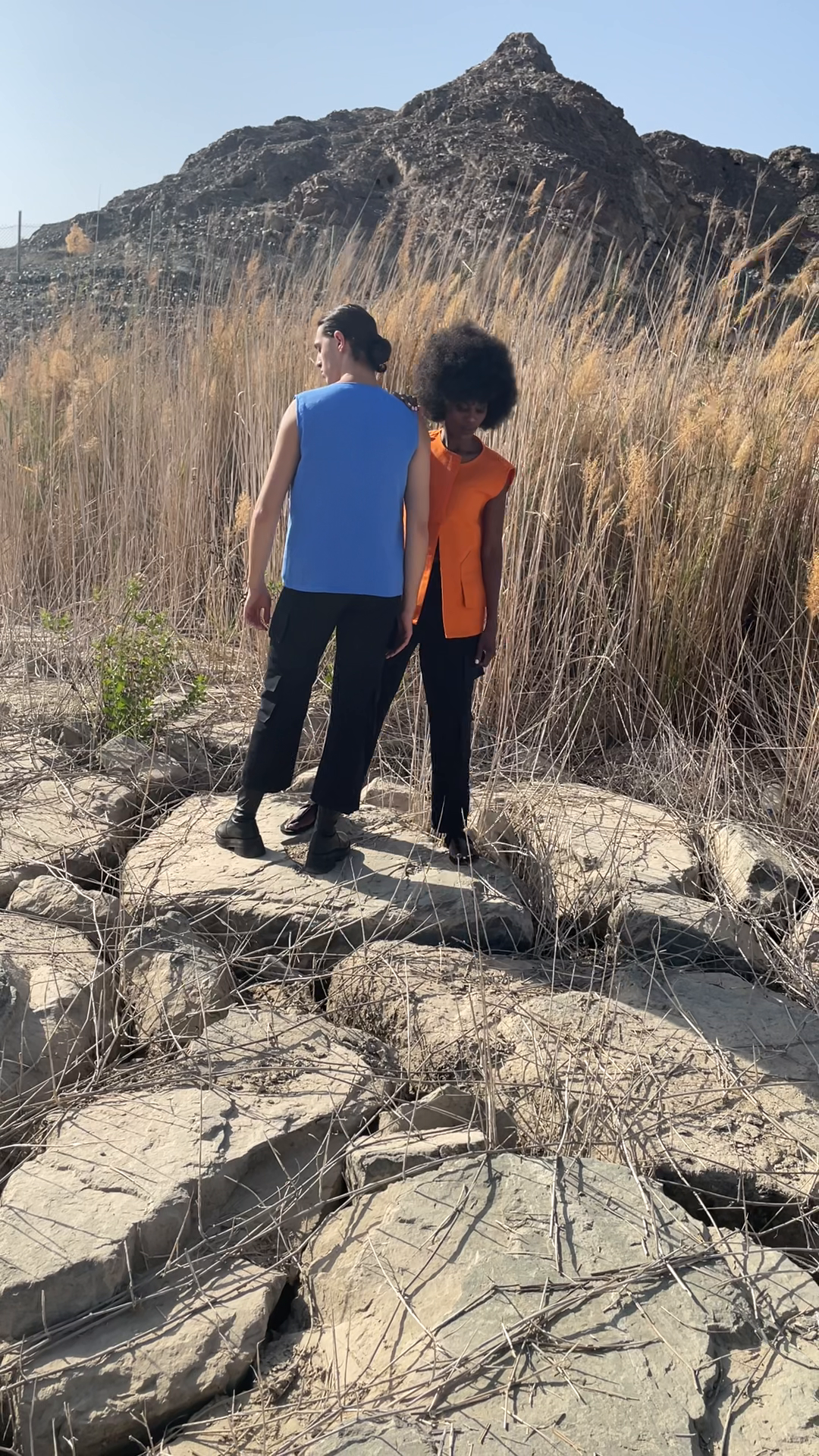
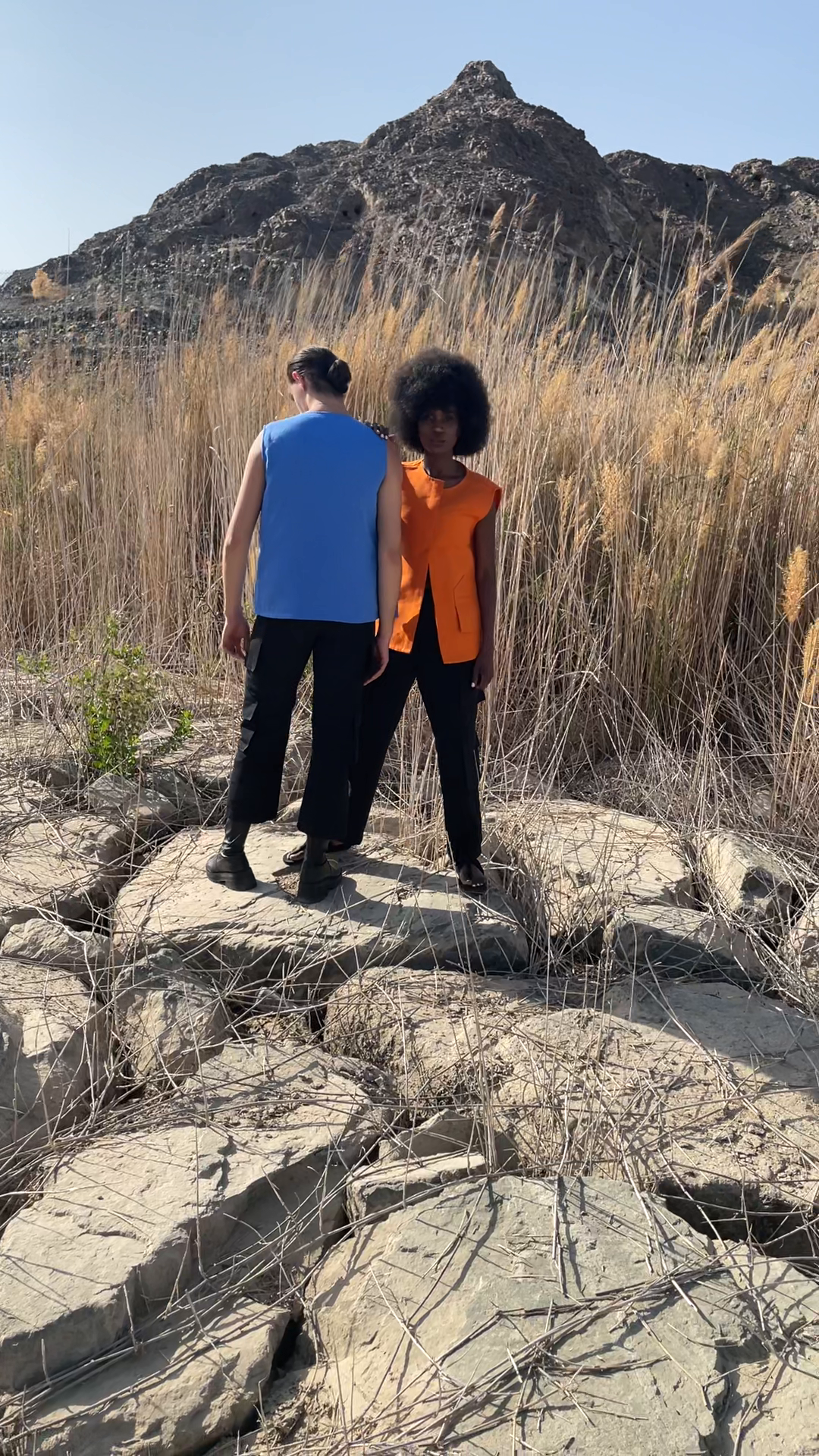
WEMADEK brings handwoven Aso Oke into contemporary separates, including the Baraka Armless Jacket and Deallah Pant Trousers. Rather than presenting these pieces as traditional ceremonial dress, the collection places a culturally significant textile in a modern design context. Explore Our Craft and the WEMADEK collections to see that conversation between material and silhouette.
Wearing Aso Oke with understanding
Respectful appreciation starts with recognising Aso Oke’s Yoruba roots, valuing the people who make it and avoiding the idea that one fabric represents every African culture. Whether worn for a family celebration or styled as contemporary clothing, its heritage deserves more than a decorative label.
Aso Oke communicates Yoruba identity through shared occasions, recognisable textile traditions and the continuity of skilled making. Its strength is that it can carry memory while remaining open to new expression—a living heritage, not a design frozen in time.
Frequently asked questions
Is Aso Oke the same as aso ebi?
No. Aso Oke is a type of woven textile; aso ebi is the practice of a family or group wearing coordinated clothing. Aso ebi can use Aso Oke or other fabrics.
Does every Aso Oke colour have a fixed meaning?
No. Associations can vary with family, community and occasion. Traditional cloth types have historical identities, but individual colours do not form a single universal code.
Can contemporary clothing still honour Yoruba heritage?
Yes. New silhouettes can respect the textile’s origins by acknowledging Yoruba weaving traditions, valuing skilled makers and describing materials and production honestly.